

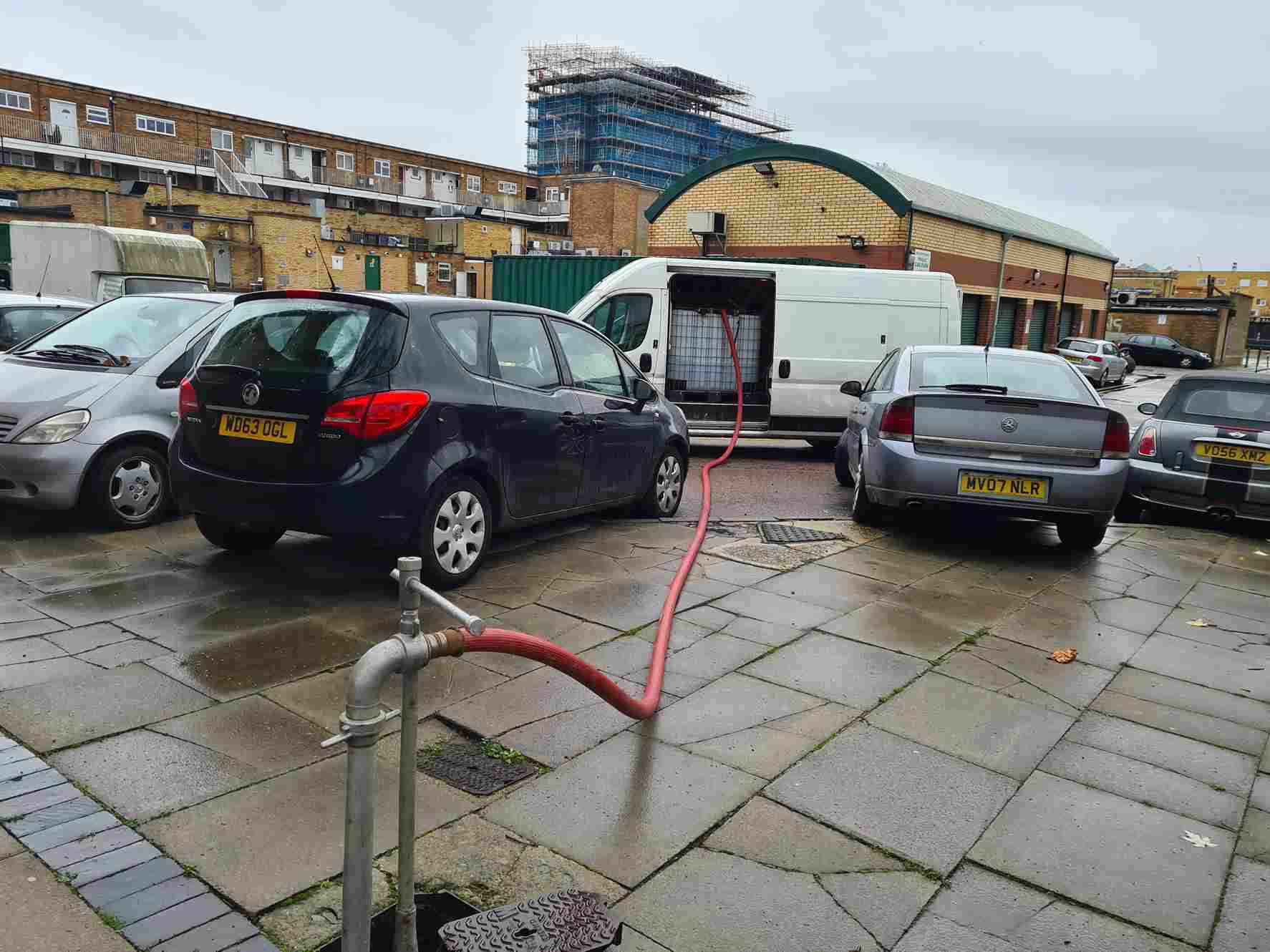
Awesome Image

What is a Dry Riser?

A dry riser consists of:
  • Inlet breeching at ground level (for the fire brigade to connect water)
  • Vertical pipework running through the building
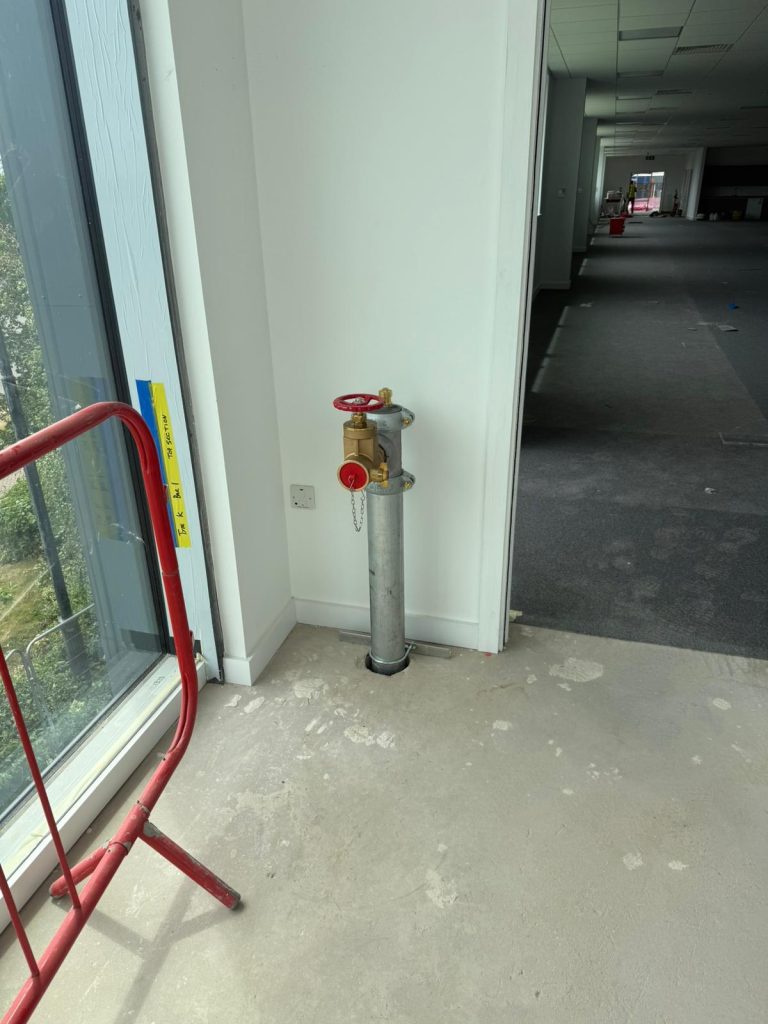
  • Landing valves at each floor level (where firefighters attach hoses)
  • Pipe supports, brackets, and drain valves

They are required in many buildings over a certain height (typically +18m) to ensure rapid delivery of water to higher floors.
[email protected]

Don’t hesitate and write us. This is the general email.

01204 310540 | 07891 679033

Drop us a line and a member of the team will be in touch

Dry Riser Testing (Maintenance Requirements)

Visual Inspection — Every 6 Months

A competent person checks: 

  • Inlet breeching condition
  • Landing valves and outlets
  • Caps, chains, washers
  • Pipework integrity and supports
  • Signage and accessibility

This ensures the system is mechanically sound and ready for use.

Full Wet Pressure Test — Annually

Once a year, the system must be:

  • Filled with water
  • Pressurised to 12 bar (or manufacturer/spec standard)
  • Monitored for leaks and pressure loss
  • Checked for correct operation of all valves

A certificate is issued once passed.

Why Testing Is Critical

  • Ensures the fire service can instantly deliver water to any floor
  • Detects leaks, corrosion, or vandalism early
  • Required by fire safety regulations and insurers
  • Vital for life safety in high-rise buildings

How often should a dry riser be tested?

BS9990: 2015 requires dry risers to be tested under pressure annually with a visual inspection every six months.
We schedule service visits bi-annually for maintenance and are split into two types of service visit: 

Major Service

  • Full maintenance check & inspect of all parts of the system for compliance with BS9990:2015
  • Fully open and close each landing valve and grease mechanical workings
  • Replace any worn or missing parts including washers, straps, padlocks, gaskets etc.
  • Charge the system with water and pressurise to 12 Bar
  • Monitor for a period of no less than 15 minutes
  • Drain all water from the system and replace seals, caps and plugs
  • Provide a detailed test report and certificate

Minor Service

  • All of the above without the pressure test